Galle Municipal Council is the third Municipal council in Sri Lanka after
Colombo and
Kandy cities.Galle Municipal Council first Mayor was
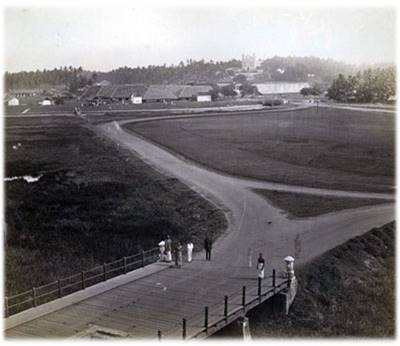
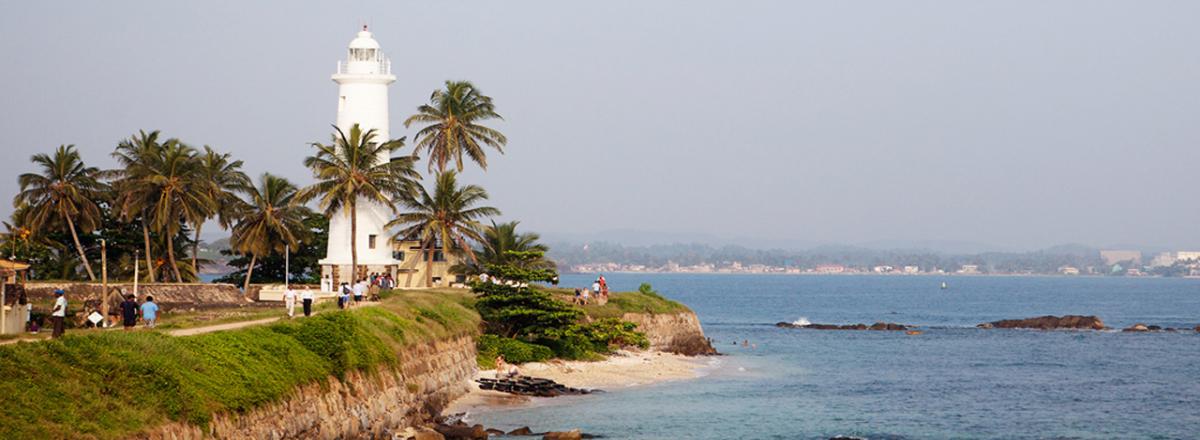
Mr. W.Dhahanayake he was able to become the 5th Prime minister of SriLanka.The land area of the city is about 16.5km2 and it is bordered by the sea from south & southwest. The city is situated within the wet zone of the country with an average rain fall between 1525-1900 mm per year. It's daily temperature is between 28°C-30°C.In early years the Galle city located along with
Natural Harbour made it an important place for the industry. But tourism, fisheries and trade are major sources of income today. Galle City is the one of
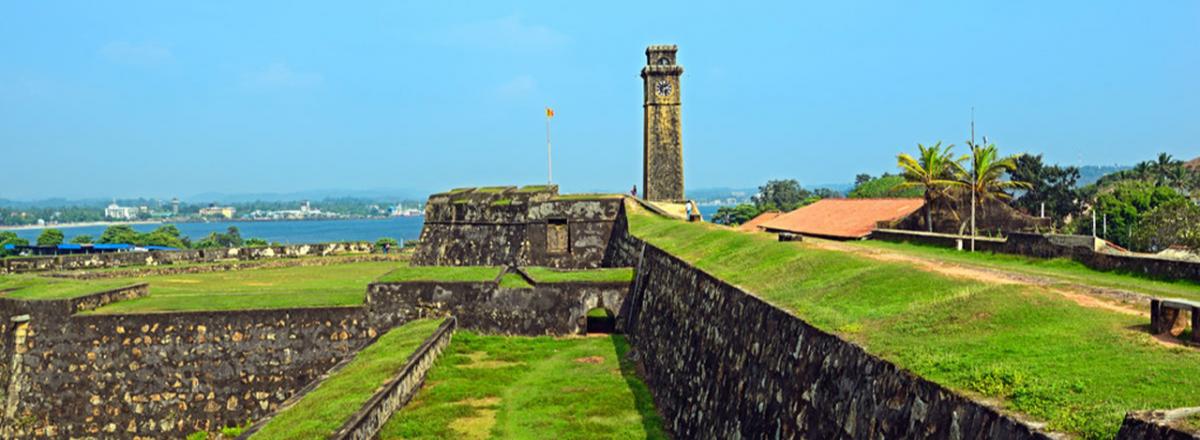
World Heritage city in SriLanka.The main language of Galle city is Sinhala and the religion is Buddhism.

The population of the Galle municipality area is 112,252 of which 51% are Female and 49% are male. The growth rate of population is 0.75% and 16924 of households are available in the city. The Galle Municipal Council is the main administration authority in the city with 15 wards.It’s represented by
19 councillors. The Galle Municipal Council body is divided into 5 standing committees headed by committee chairman. The council figure is lead by an executive Mayor supported by the Deputy mayor.The committees and the city administration function under the Municipal Act implemented by the Municipal Commissioner. The strength of the public officers in the Galle Municipal council available is 733.
After the complete occupation of the Country by the British in 1815, fifty years had elapsed, before it was found expedient that provision should be made for the constitution and establishments of Municipal Councils in the Island, “ for the purpose of enabling the inhabitants thereof to regulate certain matters and things of a local nature”. The Municipal Councils Ordinance No. 17 of 1865, being the 160th Enactment since the British took possession of the maritime districts, become thereby the first provision of law, which enabled the formation of statutory democratic institutions in which functioned for the fist time elected representatives of a subject people.
Under section 4 of the Ordinance, the towns of Colombo and Kandy were created Municipalities, and further provision was therein made that “it shall be lawful for the Governor, with the advice of the Executive Council, on the application of a reasonable number of the inhabitants of any town, or if it shall appear expedient so to do, to the Governor and Council, without any such application, by proclamation published in the Government Gazette, to create Municipalities in any other town within the Island”